Dental sleep medicine
Sleep apnea and TMJ care
Better sleep and a calmer jaw with custom oral appliances, night guards and conservative care, coordinated with your physician.

- Appliance ready
- About 2 to 3 weeks
- Often billed to
- Medical insurance
- Led by
- Dr. Andre Whitfield, DDS
Two problems, one careful exam
Snoring, grinding and jaw pain are often connected. We check your airway, joints and teeth together.
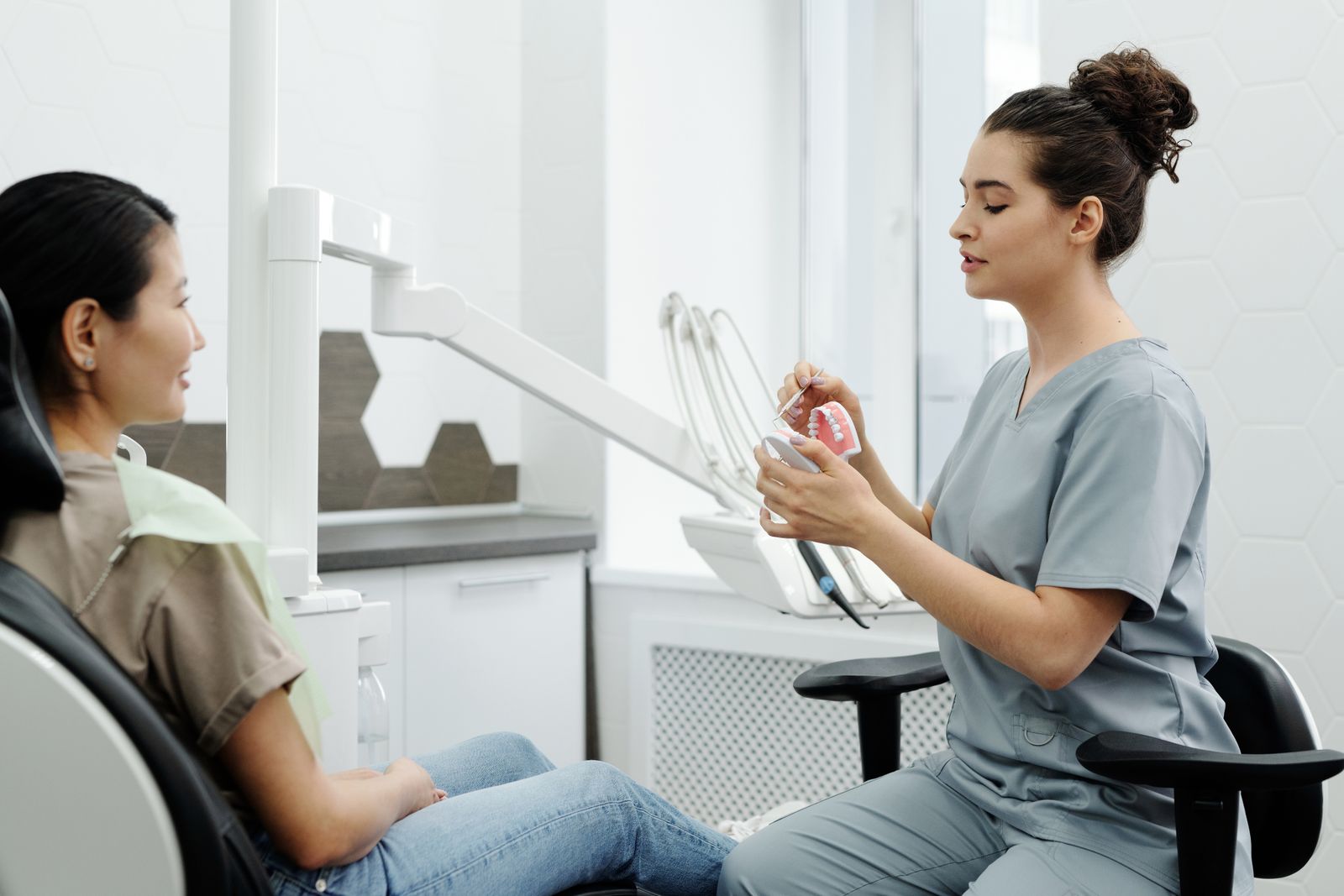
A quiet, custom alternative to a CPAP mask
For mild to moderate obstructive sleep apnea, or for patients who cannot tolerate CPAP, a custom oral appliance gently moves the lower jaw forward to keep the airway open.
Common signs
- ALoud snoring your partner notices
- BWaking up gasping or choking
- CMorning headaches or a dry mouth
- DDaytime sleepiness, even after a full night
How we help
- 1Airway screening at your checkup
- 2Home sleep test ordered with your physician
- 33D scan and custom appliance made to fit
- 4Fine-tuning visits and a follow-up sleep test
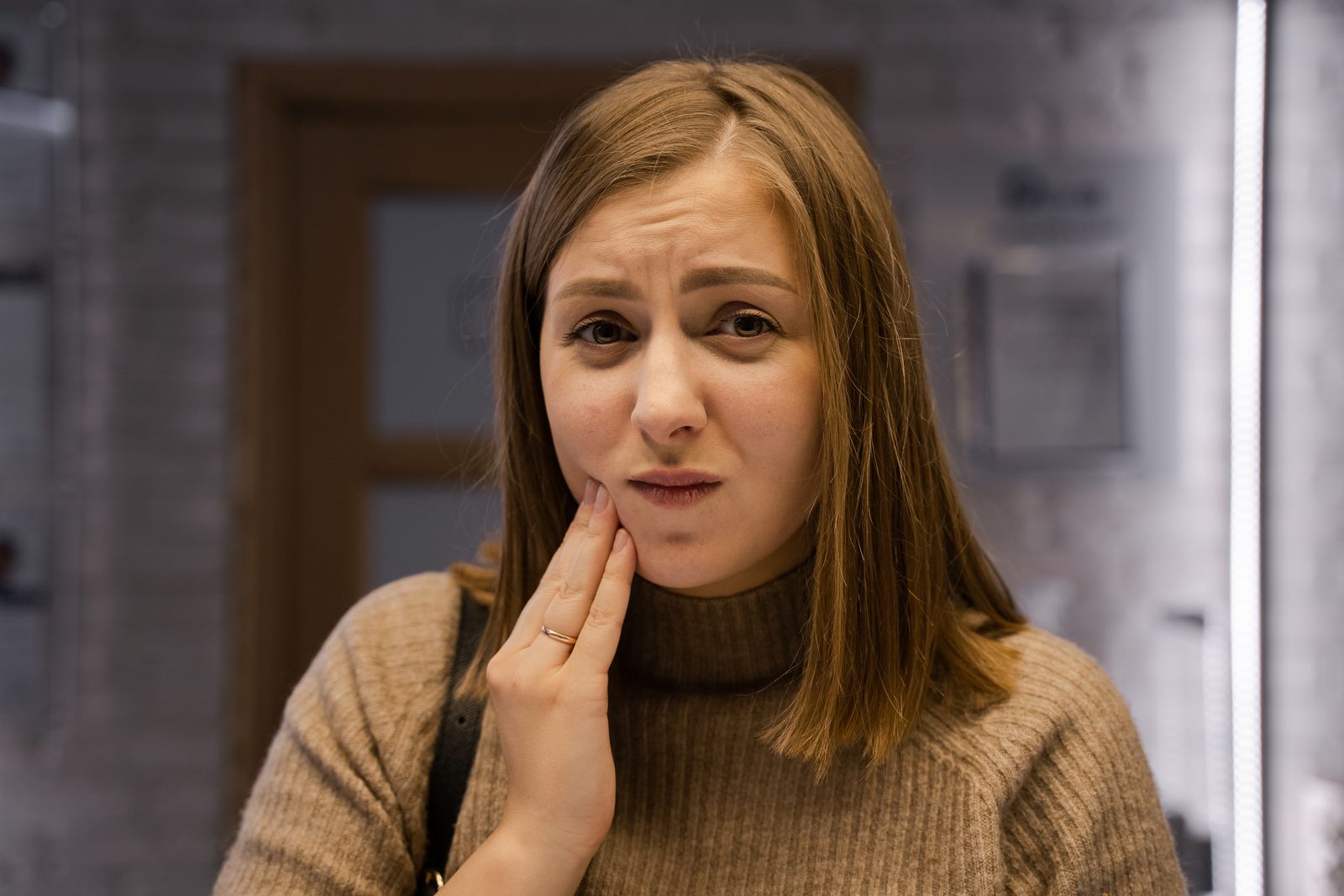
Relief for clicking, locking and jaw pain
TMJ disorders affect the joints and muscles that open and close your jaw. Most patients improve with conservative, reversible care, so we start there.
Common signs
- AClicking or popping when you chew
- BJaw that locks or will not open fully
- CPain near the ear, temples or face
- DWorn, flattened or cracked teeth from grinding
How we help
- 1Joint and muscle exam with 3D imaging if needed
- 2Custom night guard or stabilization splint
- 3Jaw exercises, habits coaching and bite check
- 4Referral to physical therapy when helpful
Quick self-check
Tick anything that sounds familiar. Nothing is sent anywhere, and this is not a diagnosis.
Your result
0sleep signs
0jaw signs
Select any signs that apply to see a suggestion.
Request appointmentFrom first screening to a better night
The same five steps for sleep appliances and TMJ splints, with your physician kept in the loop.
- 1
Screen
A short questionnaire, an airway and jaw exam, and a look for grinding wear. Takes about 15 minutes at a checkup.
- 2
Diagnose
Sleep apnea is diagnosed by a physician, usually with a home sleep test. We coordinate the order and the results.
- 3
Scan and make
A digital scan of both arches. Your appliance or splint is custom made to your bite, no trays.
- 4
Fit and adjust
We fit the device and fine-tune it over 2 to 4 short visits until snoring or pain settles.
- 5
Follow up
A follow-up sleep test confirms the result, then yearly checks at your regular cleanings.
Sample timeline. An oral appliance is not right for everyone, and severe sleep apnea usually needs CPAP. Not medical advice.
Sleep and jaw questions
A physician diagnoses sleep apnea. Dentists with training in dental sleep medicine can then make and adjust a custom oral appliance, working alongside your doctor.
CPAP is the most effective option for severe apnea. For mild to moderate apnea, or for people who cannot use CPAP, oral appliances work well for many patients and are much easier to wear nightly.
Often, yes. Oral appliances for diagnosed sleep apnea are usually billed to medical insurance, and some Medicare plans cover them. We check your benefits before we start.
Rarely. Most jaw pain improves with a splint, exercises and habit changes. We refer to an oral surgeon only when conservative care has not helped.
Boil-and-bite guards can shift your bite and may make clenching worse. A custom guard is thinner, fits precisely and protects teeth for years.
Grinding has cracked a tooth? See crowns and root canals, or view sample treatment costs.
Sleep better, starting with a screening
Tell us what you need and when you are free. Our front desk confirms within one business day.
4.9 from 1,186 patient reviews