Guide 06 of 07
What your mouth needs at every stage
Four doctors, one chart per family. Here is what changes from the first tooth to the last, and what we do about it.

Five stages, five different jobs
The teeth are the same. What threatens them is not. Each stage below lists what we do in the chair, what matters at home and the signs that should bring you in early.
- 01
First tooth to age 3
Toddlers: habits before treatment
The first visit is about making the room ordinary. We count teeth, look at how the jaws are growing and show a parent how to brush a mouth that does not want to be brushed.
In the chair
- A knee-to-knee exam with the child lying back on the parent, not on us
- A wipe or a polish only if the child is happy with it
- Fluoride varnish applied in about twenty seconds when it is indicated
At home
- Brush twice a day with a smear of fluoride toothpaste the size of a grain of rice
- Wean off the bottle at bedtime; milk pooling overnight is the single biggest risk at this age
- Lift the lip once a week and look for white or brown lines at the gum margin
Bring it in early if
- White chalky patches near the gum line
- A tooth that has gone grey after a fall
- Teeth that do not appear by about 12 months
Check every 6 months, from the first tooth or the first birthday
- 02
Ages 4 to 12
Children: the adult teeth arrive
The first permanent molars land around age six, at the back, where nobody is looking. They arrive with deep grooves and a child who still cannot brush thoroughly without help.
In the chair
- Sealants on the biting surfaces of permanent molars as soon as they are fully through
- Bitewing x-rays only when the contacts have closed and we cannot see between the teeth
- Brushing checked with disclosing dye so the child sees what is being missed
At home
- A parent finishes the brushing until roughly age eight, when handwriting is neat enough to do it alone
- A pea-sized amount of fluoride toothpaste, spat out, not rinsed away
- Start cleaning between the back teeth on the day they touch each other
Bring it in early if
- Adult teeth coming through behind the baby ones
- A permanent front tooth knocked in a fall
- Complaints about a back tooth catching food
Check every 6 months, x-rays roughly every 12 to 24 months
- 03
Teens 13 to 19
Teenagers: the decade of risk and independence
Supervision stops, energy drinks start and the mouth is still finishing. This is the stage where a good result at twelve quietly turns into a problem at twenty.
In the chair
- Erosion mapped on the inner surfaces, where acidic drinks show up first
- Wisdom teeth tracked on a panoramic image in the later teens
- A frank conversation about vaping, smoking and gum health, without the lecture
At home
- Acidic and energy drinks kept to mealtimes, through a straw, and never sipped over an hour
- A night appliance if grinding is wearing the front teeth flat
- Aligners are the practical fix for crowding when brushing between teeth has become impossible
Bring it in early if
- Bleeding gums that are shrugged off as normal
- Front teeth that look shorter or more see-through
- Whitening bought online before an exam
Check every 6 months, more often during aligner treatment
- 04
Adults 20 to 64
Adults: keep what you have, repair what you must
Most adult dentistry is maintenance of past dentistry. Old fillings age, gums recede, and a bite that has been grinding for twenty years starts to show it.
In the chair
- Six-point gum charting at least once a year, because bone loss is silent
- Existing crowns and fillings checked at the margins, where new decay starts
- Oral cancer screening at every exam, including the tongue and the floor of the mouth
At home
- Clean between the teeth every day; the brush reaches three of the five surfaces
- Treat a cracked cusp early, before it becomes a root canal
- Tell us about pregnancy, diabetes, new medication or a dry mouth: each one changes the plan
Bring it in early if
- Gums that bleed on the same tooth every time
- A tooth that twinges on releasing a bite
- A sore spot that has not healed in two weeks
Check every 6 months, or every 3 to 4 months if you have treated gum disease
- 05
65 and older
Older adults: dry mouth, roots and dexterity
Teeth are lasting longer than they used to, which is a good problem. The risks shift to exposed root surfaces, dry mouth from medication, and hands that find flossing harder than they did.
In the chair
- Root caries checked carefully, since exposed root surfaces decay faster than enamel
- Denture and partial fit reviewed yearly, along with the tissue underneath
- Medication list reviewed at every visit for anything that dries the mouth
At home
- High-fluoride toothpaste where we have prescribed it, for root surfaces
- Interdental brushes or a powered brush with a wide handle when dexterity is the limit
- Sip water, not sweetened drinks, for a dry mouth; sugar-free lozenges help at night
Bring it in early if
- A partial denture that has started to rock
- Notching or sensitivity at the gum line
- Difficulty chewing that has quietly changed the diet
Check every 6 months, or every 3 to 4 months with dry mouth or gum disease
General information, not dental advice. Recall intervals and x-ray frequency are set for the individual after an examination and a risk assessment, so yours may differ from the rhythms above.
What we book, and what we look for
The appointment book version of the same five stages. These are sample intervals: yours are set after an examination and a risk assessment, and they can move in either direction.
| Age | Exam and clean | X-rays | Also at that visit |
|---|---|---|---|
| 0 to 3 | Every 6 months | Rarely, only after an injury | Fluoride varnish, bottle and cup habits |
| 4 to 12 | Every 6 months | Bitewings every 12 to 24 months | Sealants on permanent molars, brushing checked with dye |
| 13 to 19 | Every 6 months | Bitewings every 12 to 24 months, panoramic in later teens | Erosion mapping, wisdom teeth, grinding |
| 20 to 64 | Every 6 months, 3 to 4 with treated gum disease | Bitewings every 18 to 24 months | Full gum charting yearly, oral cancer screening every visit |
| 65 and over | Every 6 months, 3 to 4 with dry mouth | As clinically indicated | Root surfaces, denture fit, medication review |
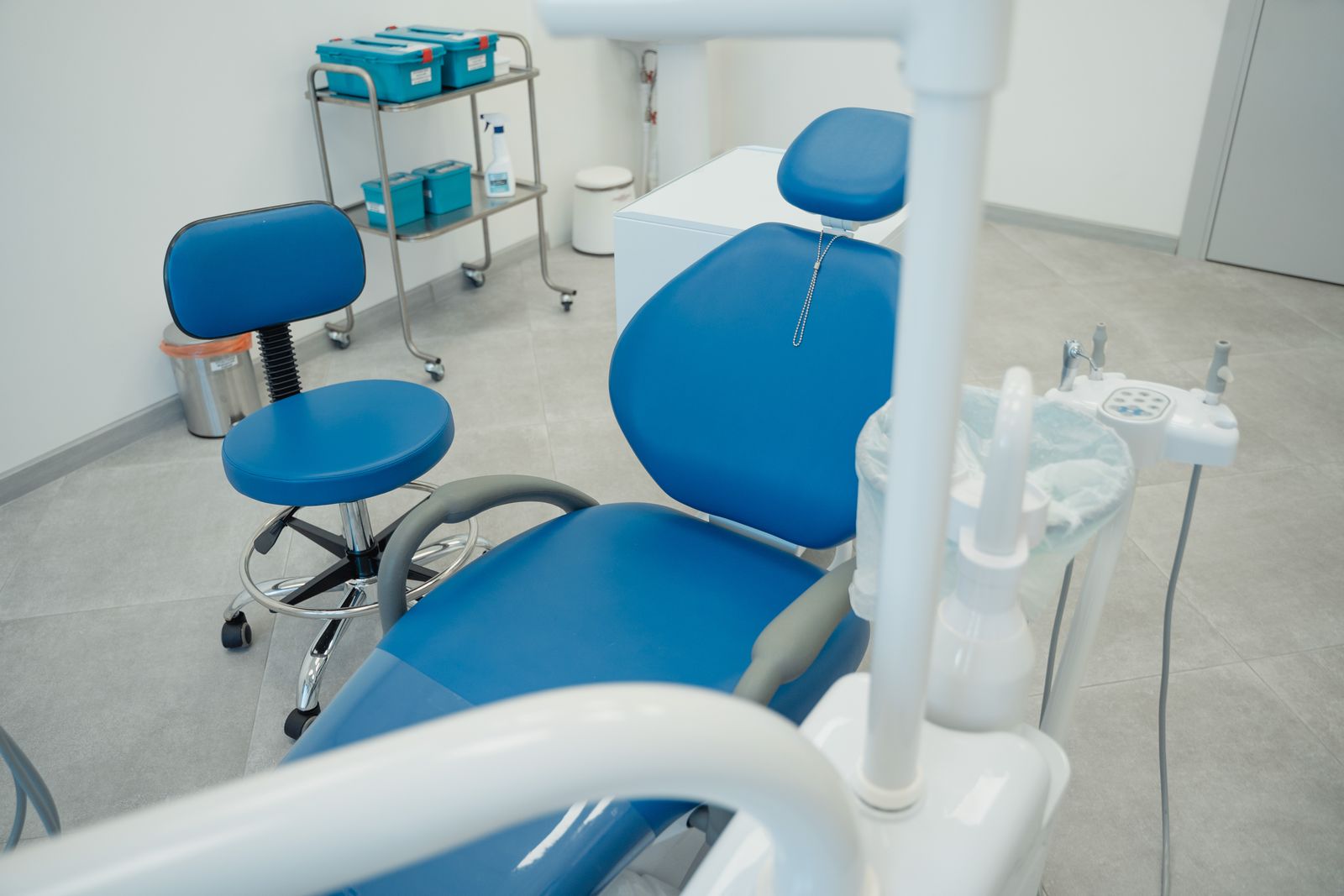
One family, one appointment block
We book families together where we can, so one trip to Walnut Street covers everyone. Ask the front desk on(412) 555-0133 and we will line the chairs up.
Northstar care guides
The rest of the series
Seven guides, written by our doctors and kept free of sales talk. Each one stands on its own.
- TfGuide 01Treatment finderTell us what you notice and see which treatment usually answers it.Open
- EgGuide 02Dental emergency guideWhat to do in the first ten minutes, by symptom, and today's same-day chairs.Open
- FvGuide 03First visit, minute by minuteNinety minutes on the clock, and the three forms that come before them.Open
- CmGuide 04Comfort menuEverything an anxious patient can ask for, written down so nobody has to explain twice.Open
- IcGuide 05Insurance checkerRead your plan in five fields, then call your insurer with our script.Open
- OcGuide 07Daily oral careThe habits that change outcomes, ranked, plus the ones that barely matter.Open

Book the whole family in one trip
Tell us who needs to be seen and roughly when suits. We will find a block that covers everyone and confirm within one business day.
4.9 from 1,186 patient reviews