Restorative and urgent
Crowns and root canals
Root canal therapy and crowns from Dr. Andre Whitfield, with rotary instruments, rubber dam isolation and same-day crowns when the tooth allows.
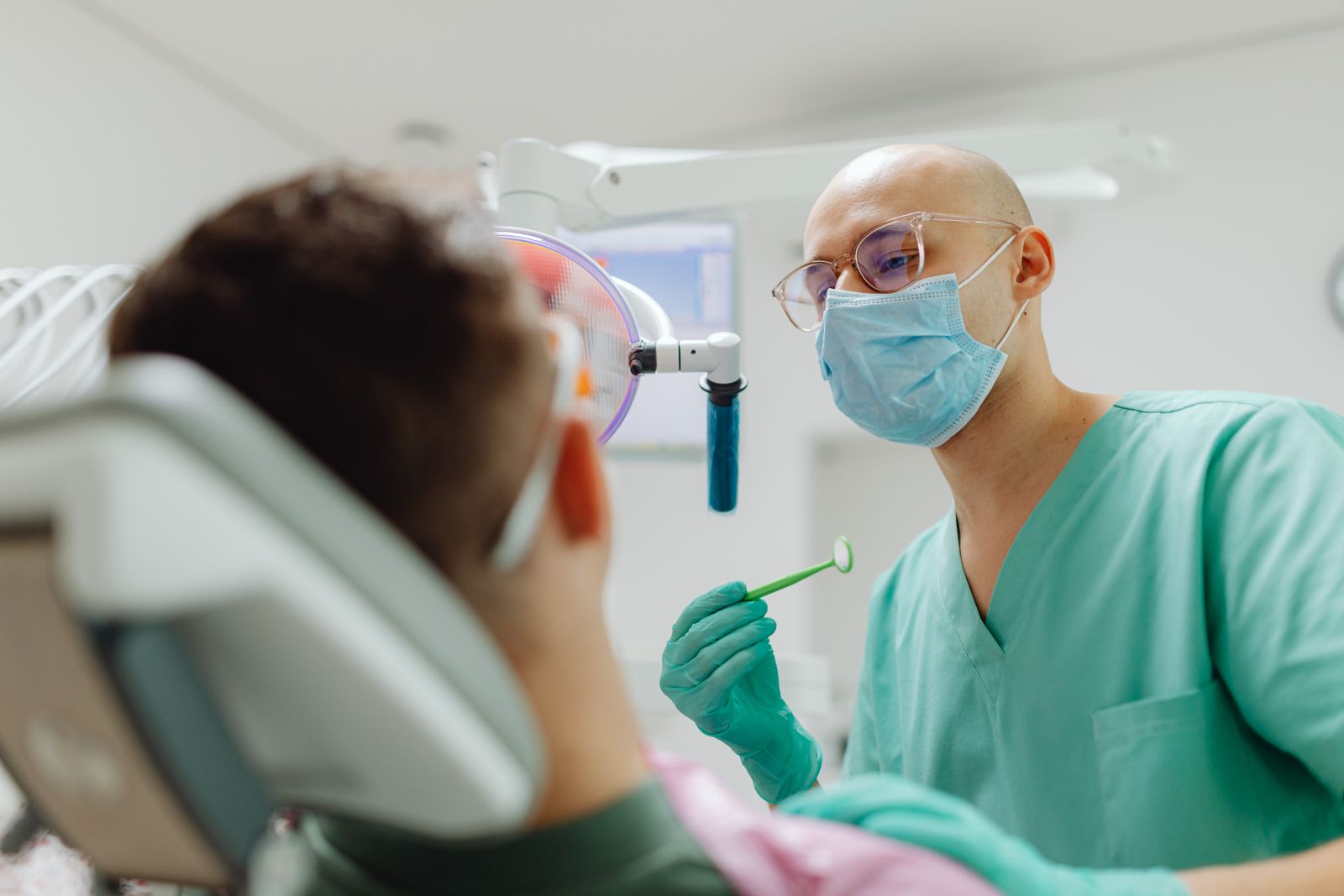
- Root canal
- 60 to 90 minutes
- Same-day crown
- About 2.5 hours
- Comfort
- Local anesthetic, sedation available
What to expect from crowns and root canals
When decay or a crack reaches the nerve of a tooth, a root canal removes the infected tissue, cleans the canals and seals them. It relieves the pain rather than causing it, and it keeps your natural tooth in place.
A tooth that has had a root canal, or has a large filling, usually needs a crown to protect it from breaking. Many of our crowns are designed and milled in the office, so you leave with a finished tooth instead of a temporary.
What is included
Every crowns and root canals plan at Northstar covers these steps as standard.
- 01Diagnostic x-rays and pulp testing
- 02Rubber dam isolation for a clean, dry field
- 03Rotary and ultrasonic canal cleaning
- 04Digital scan instead of messy impressions
- 05Ceramic crown milled in office when suitable
- 06Follow-up call the evening after treatment
How the process works
- 1
Diagnose
X-rays and tests confirm whether the nerve can be saved.
- 2
Treat
The canal is cleaned, shaped and sealed under local anesthetic.
- 3
Scan and mill
Your crown is designed on screen and milled while you wait.
- 4
Bond
The crown is fitted, bite checked and bonded in place.
Same-day crowns in four steps
Scanned, designed, milled and bonded in one appointment, for most back teeth and many front teeth.
- 110 min
Scan
A handheld camera records a 3D model of the prepared tooth and your bite. No gooey impression trays.
- 215 min
Design
Your dentist shapes the crown on screen, matching the contours and contacts of your neighboring teeth.
- 320 min
Mill
Our in-office mill carves the crown from a solid ceramic block while you relax with a show or a podcast.
- 425 min
Bond
We glaze, shade and fire the crown, then bond it in place, check your bite and polish.
1
appointmentfrom worn tooth to finished crown
Same-day versus a traditional lab crown
| Detail | Same-day | Traditional |
|---|---|---|
| Visits | 1 visit | 2 visits |
| Time to final tooth | About 2 hours | 2 to 3 weeks |
| Temporary crown | Not needed | Worn in between |
| Numbing | Once | Twice |
Some teeth, such as those needing a gold crown or a long bridge, are still made by a lab. Your dentist will tell you at the exam.
Why patients choose it
Root canal and a same-day crown in one morning. I dreaded it for weeks and honestly felt more pressure than pain.
Keep your tooth
Saving a natural tooth is usually simpler than replacing it.
Pain relief
Removing the infected nerve stops the throbbing.
One visit crowns
No temporary to lose and no second numbing appointment.
Strong and natural
Ceramic crowns are shade matched to neighboring teeth.
What affects the cost
Molar root canals typically range from $1,050 to $1,400 and crowns from $1,250 to $1,600 (sample figures).
We share a written estimate, including your insurance portion, before treatment begins.
Insurance and financing- 1Tooth type
- Molars have more canals and take longer than front teeth.
- 2Crown material
- Same-day ceramic, zirconia and gold are priced differently.
- 3Build-up
- Badly broken teeth may need a core build-up first.
- 4Insurance
- Root canals are often covered at 50 to 80% by PPO plans.
Crowns and root canals FAQ
With modern anesthetic, most patients say it feels like a long filling. The toothache before treatment is usually far worse.
Back teeth almost always do. Front teeth with little missing structure can sometimes be restored with a filling.
Typically 10 to 15 years or more, depending on material, grinding habits and home care.
Related services
See all services



Book your crowns and root canals visit
Tell us what you need and when you are free. Our front desk confirms within one business day.
4.9 from 1,186 patient reviews